The Municipality of Rethymno leads a contemporary life that honors its cultural heritage and looks up to a better future worthy of its glorious past. In the sections that follow, you will find useful information about the history of the area.
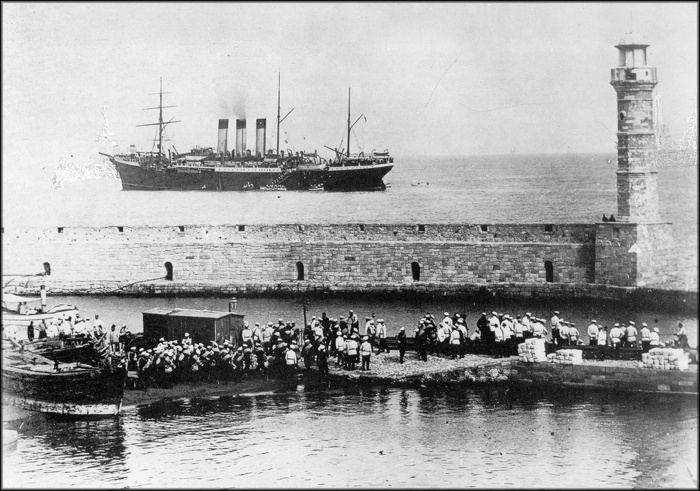
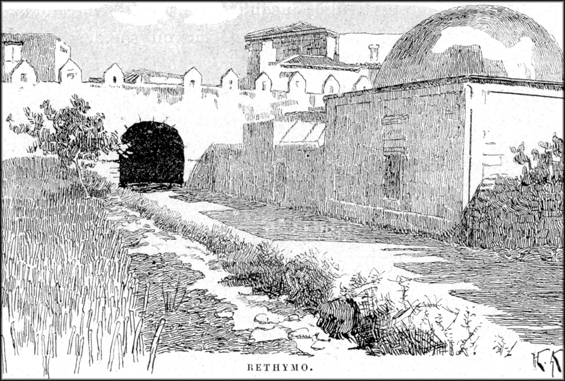
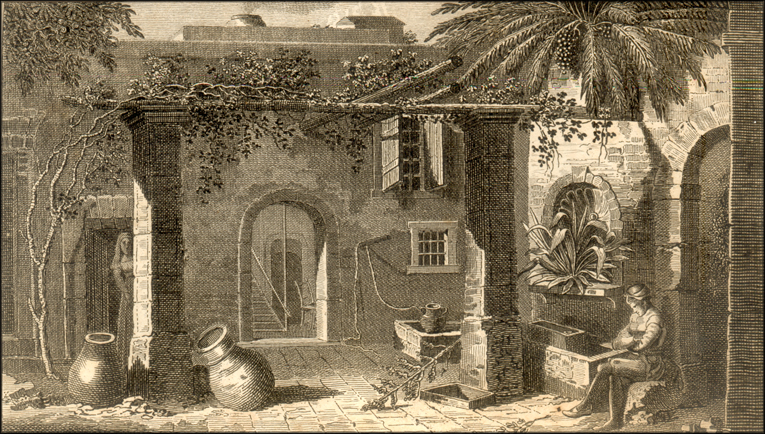
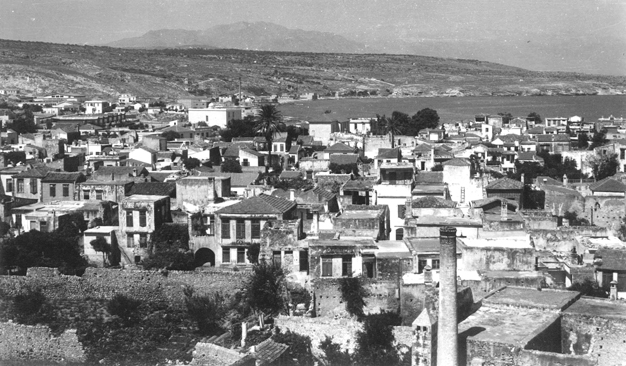
Old City
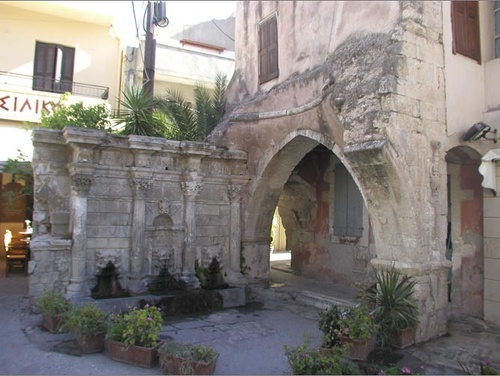
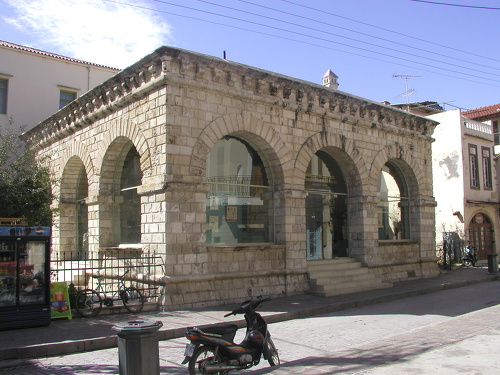
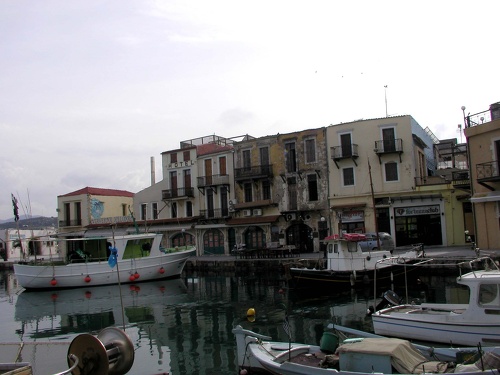
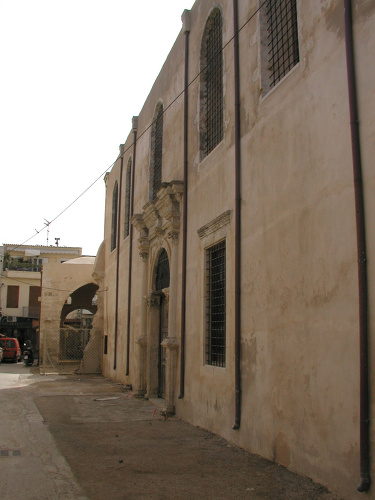
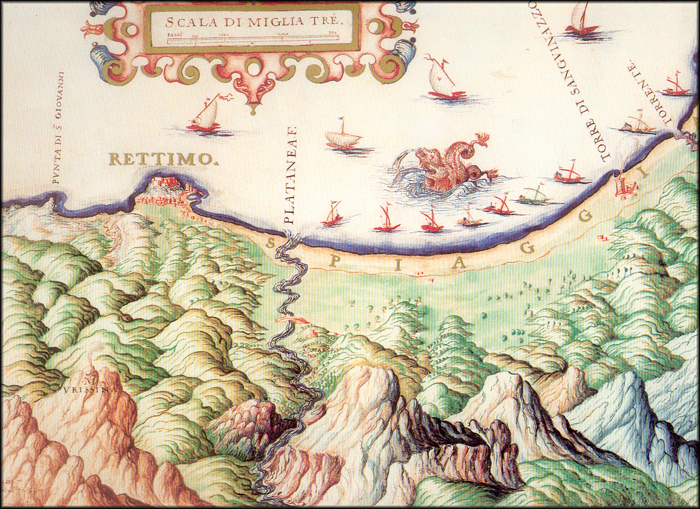
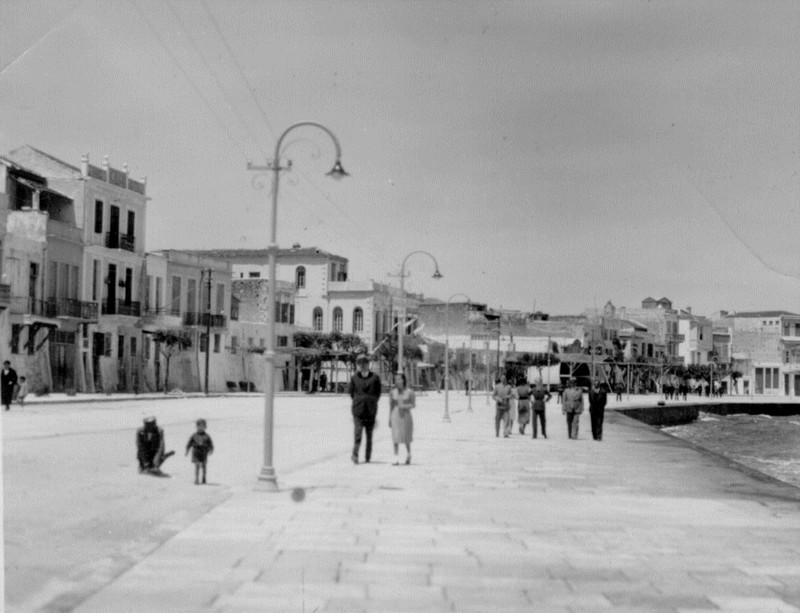
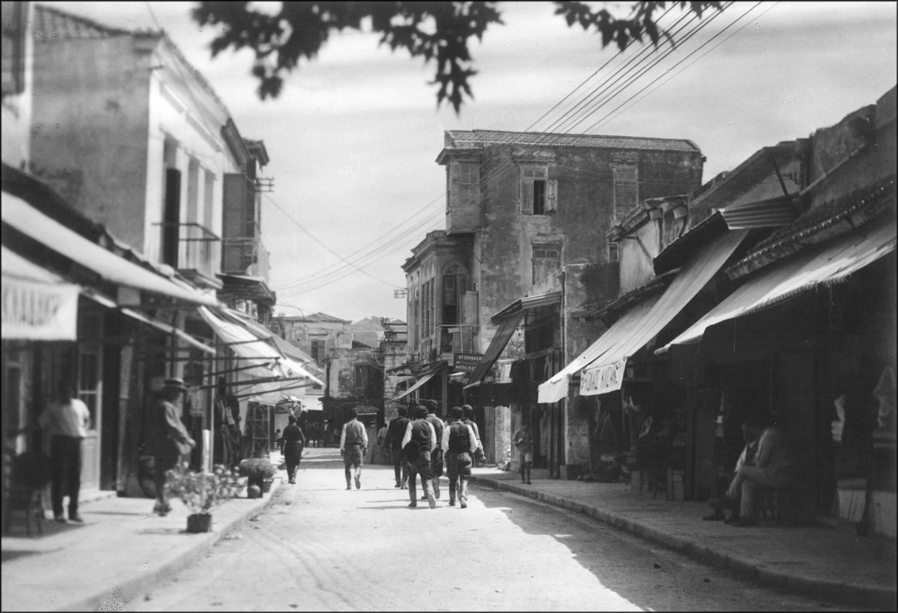
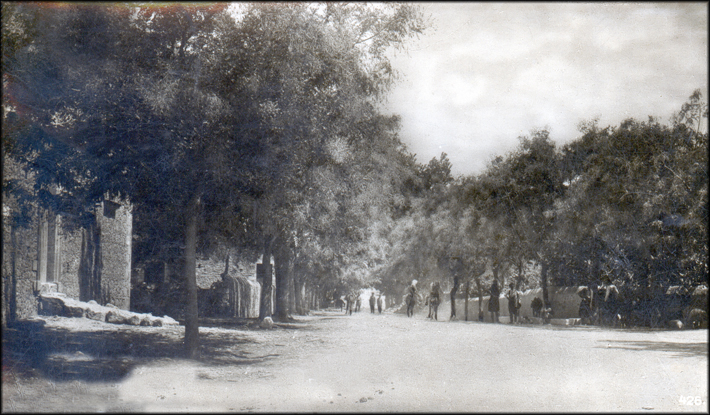
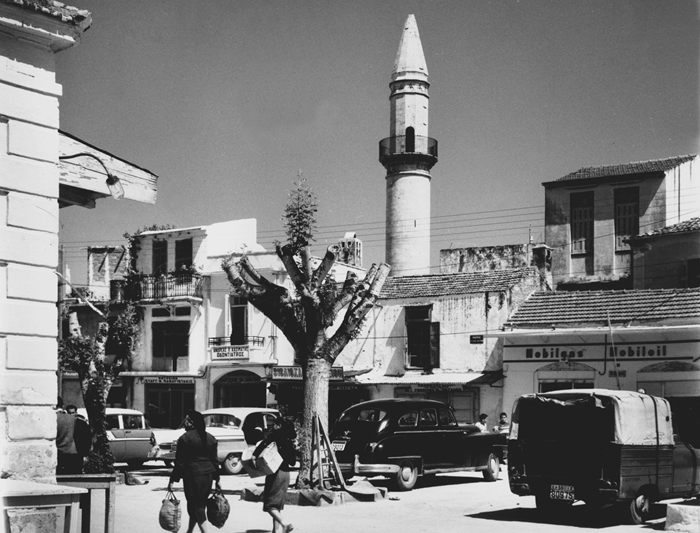
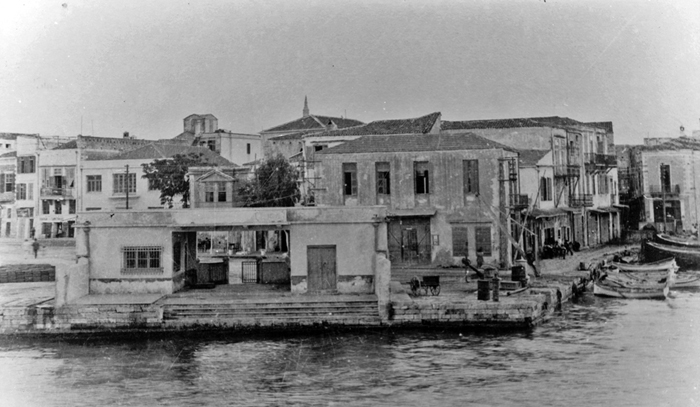
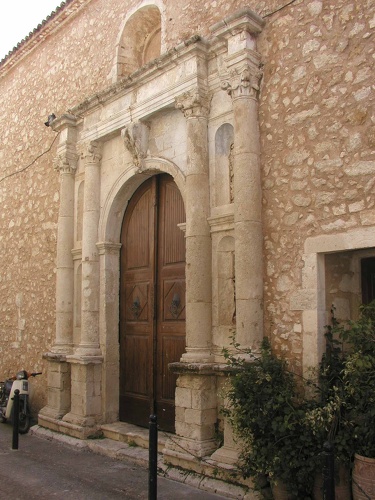
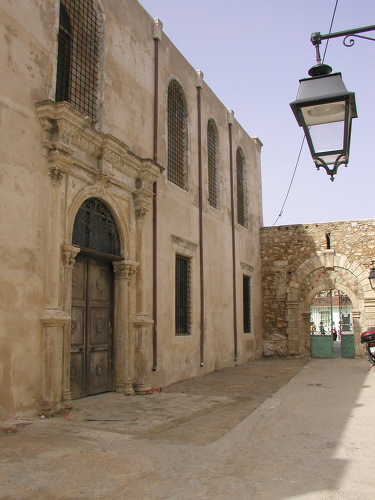
The old city of Rethymno still preserves its old Venetian style and its later Ottoman influences to a great extend. It has been declared a protected historical monument and a traditional settlement. The old city of Rethymno is a typical example of a regional urban center; it is closely connected to the mainland of the Prefecture as an administrative, transportation, educational, commercial, tourist, and cultural center. For that reason, the city sends and receives strong influences to and from the mainland, which may be negative – like in the ‘70”s when the population of the city and Prefecture decreased – or positive, like in the last decades, when the population increased the area. It is obvious that the city is a key location for the development of the entire Prefecture.
General Information
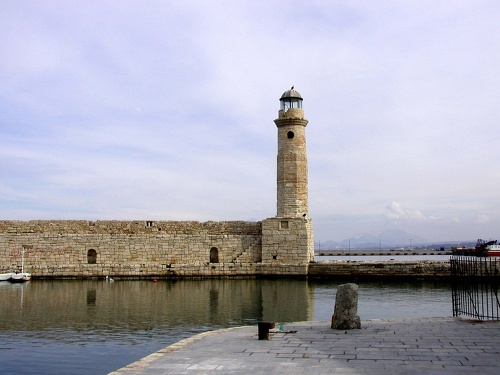
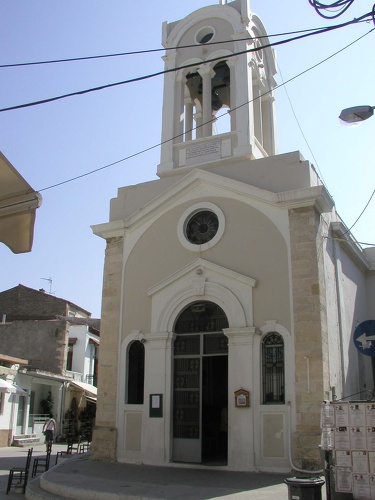
The first findings that indicate human presence in Rethymno date back to the post-Minoan period (1350-1250 B.C). The ancient city of “Rithymna” flourished in the 4th and 3rd century BC, considering the discovered gold and silver coins of this period. However, the city”s glory gradually wore off, until it became a common village during the Roman Period. There is no significant information about the region”s activity during the next historical periods (the Arab and the 1st Byzantine period). Later, during the 2nd Byzantine period (961-1204 A.D), evidence indicate the existence of a small fortified settlement named “Castell Vecchio”.
After the end of the 4th Crusade (1204), Crete was assigned to Vonifation the Momferatiko, who sold it almost immediately to the Venetians.
After a short period of Genoan occupation on the island, due to the Venetian delay to settle in the island, the latter finally occupy Crete in 1211.