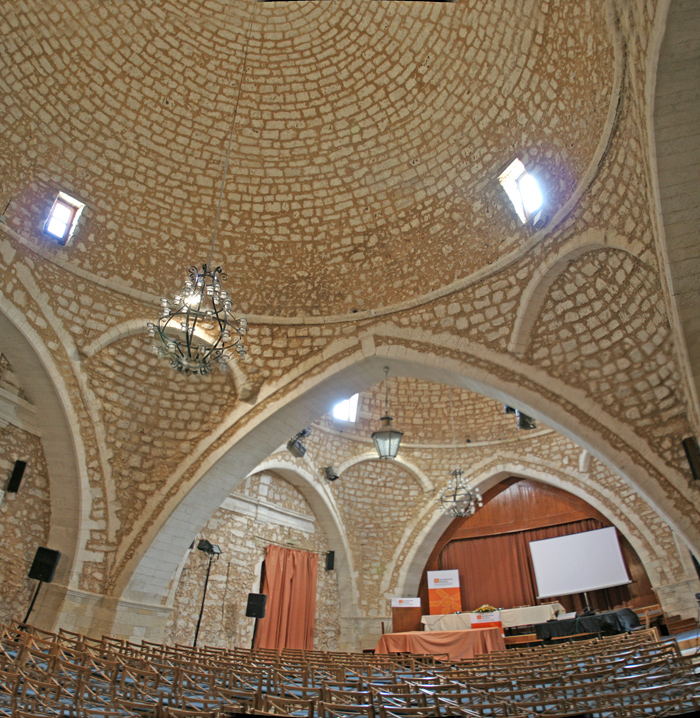
Τζαμί Καρά Μουσά Πασά
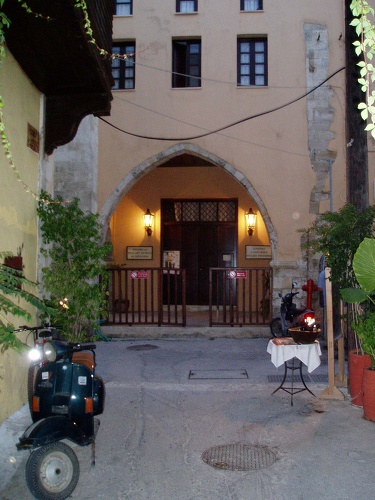
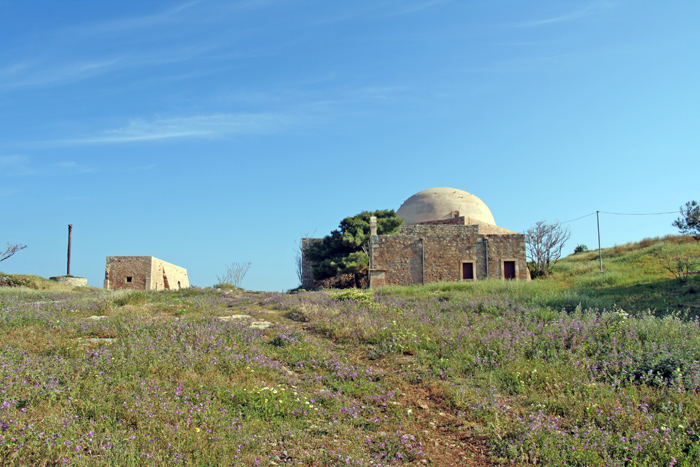
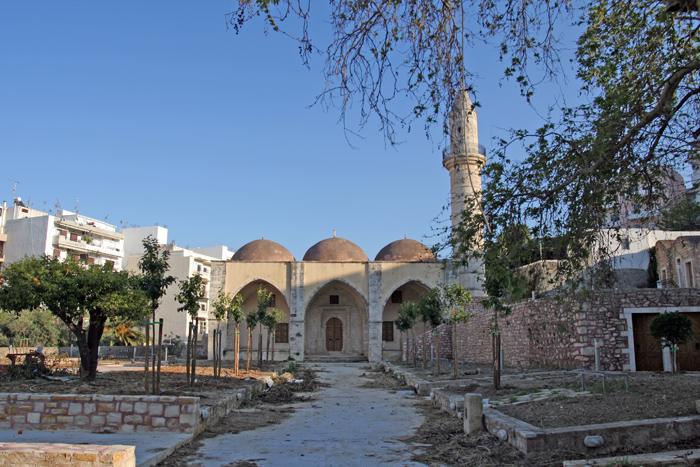
Το τζαμί αυτό πήρε το όνομά του από τον τούρκο διοικητή των ναυτικών επιχειρήσεων κατάληψης του Ρεθύμνου, το 1646. Στη θέση του, κατά την περίοδο της Βενετοκρατίας, υπήρχε μονή αφιερωμένη στην Αγία Βαρβάρα. Δυτικά από το κεντρικό κτήριο υπάρχει ο ερειπωμένος μιναρές του τζαμιού, ο οποίος δεν είναι ορατός από το δρόμο λόγω της υψηλής και πυκνής βλάστησης. Στο χώρο βρίσκεται ακόμη μία στεγασμένη με θόλο κρήνη, η οποία έχει δύο όψεις: μία από την πλευρά της οδού Αρκαδίου και μία από την αυλή του τζαμιού. Κάτω από το θόλο της γίνεται η είσοδος στο τζαμί. Στον περίβολο σώζεται ακόμη και ένας τουρμπές (θολωτή νεκρική κατασκευή), στον οποίο ίσως είχε ενταφιαστεί ο ιδρυτής του τζαμιού. Σήμερα, στο χώρο στεγάζεται εργαστήριο συντήρησης της 13ης Εφορείας Αρχαιοτήτων.
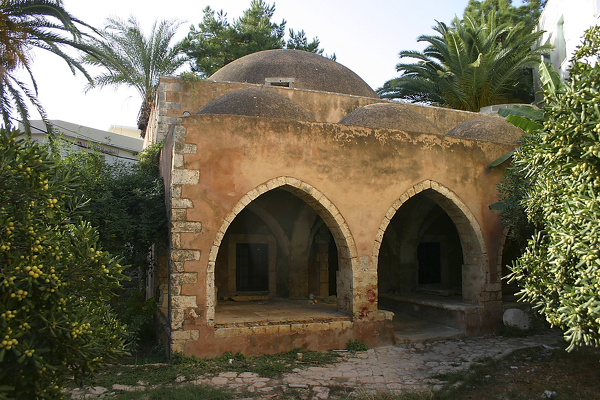
Δημόσια Βιβλιοθήκη
Η βιβλιοθήκη στεγάζεται στον αύλειο χώρο του ναού της Αγίας Βαρβάρας από το 1945.
Η πρώτη μεγάλη δωρεά βιβλίων έγινε το 1879, από το ρεθυμνιώτη λόγιο Εμμανουήλ Βιβυλάκη και αποτελούνταν από 700 τόμους αξιόλογων εκδόσεων. Σημαντική υπήρξε η προσφορά του Φιλεκπαιδευτικού Συλλόγου Ρεθύμνου. Από το 1953, αναγνωρίστηκε ως Δημόσια Κεντρική Βιβλιοθήκη Ρεθύμνου. Είναι μια από τις πλουσιότερες περιφερειακές βιβλιοθήκες της Ελλάδας. Διαθέτει πάνω από 130.000 τόμους βιβλίων, καθώς και πλούσιο αρχείο εφημερίδων. Εδώ και πολλά χρόνια αναζητείται κατάλληλος χώρος για τη μεταστέγασή της.
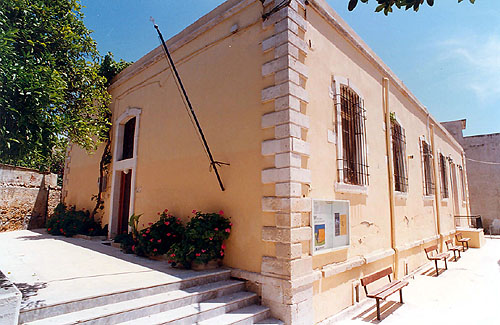
Τούρκικο Σχολείο
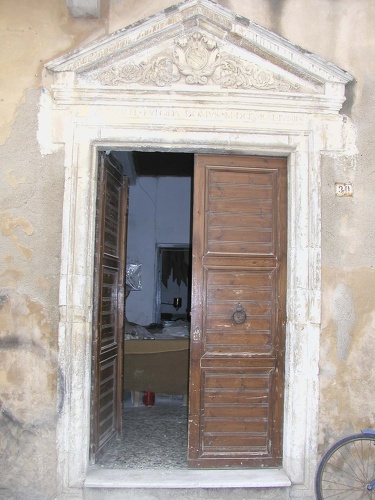
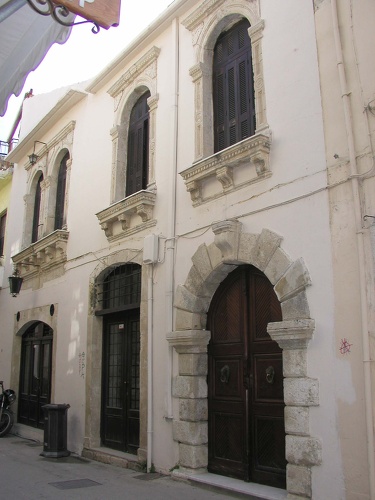
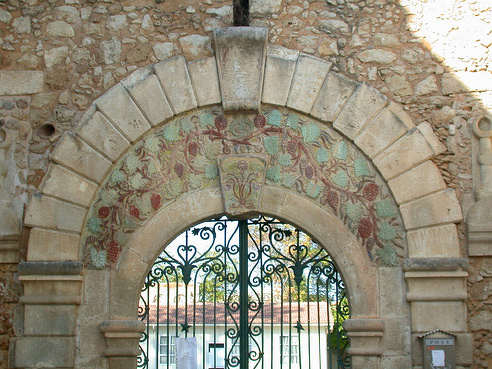
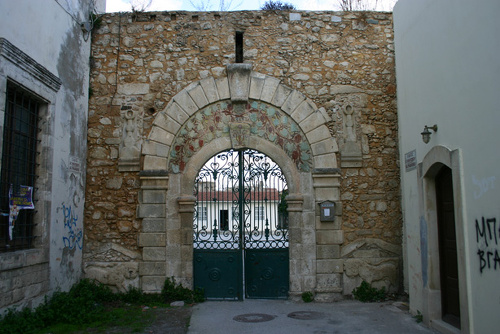
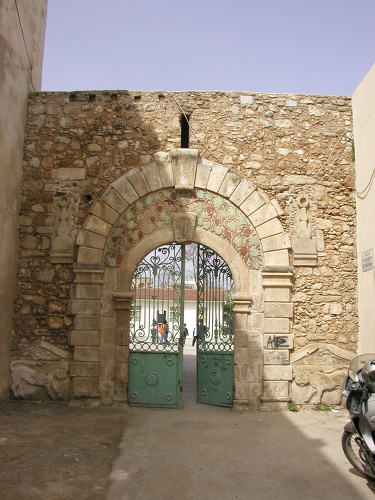
Το 1ο Δημοτικό σχολείο Ρεθύμνου ή «Τούρκικο», όπως συνηθίζεται να αποκαλείται, είναι το παλιότερο σχολικό κτήριο του Ρεθύμνου. Στο χώρο αυτό στεγαζόταν οθωμανικό σχολείο θηλέων που ιδρύθηκε το 1795. Το κτήριο που υπάρχει σήμερα κατασκευάστηκε το 1890 και αντικατέστησε το παλιότερο. Η είσοδός του βρίσκεται δίπλα στο ναό του Αγίου Φραγκίσκου. Οι Τούρκοι στένεψαν το βενετσιάνικο εξωτερικό θύρωμα χτίζοντας ένα μικρότερο εσωτερικό. Ανάμεσα στα δυο θυρώματα υπάρχει εντυπωσιακή παράσταση κληματαριάς. Στις βάσεις των παραστάδων σώζονται δυο κατεστραμμένα ανάγλυψα λιοντάρια, ενώ πιο ψηλά υπάρχουν τα σύμβολα της οθωμανικής αυτοκρατορίας, στεμένη με μισοφέγγαρο.
Mosque "Neratzes"
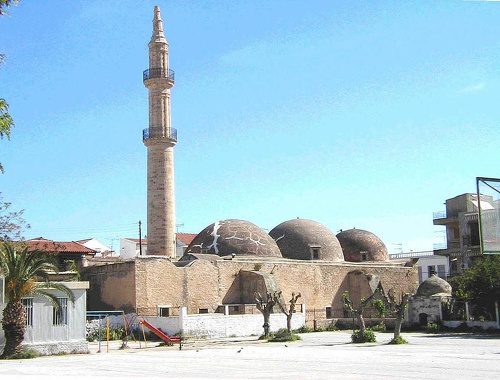
During the Venetian times the Mosque “Neratzes” used to be a church named ‘Santa Maria”, dedicated to the Mary of Augustans. The little chapel on its west side was dedicated to the body of Christ. In 1657, the Turks turned the temple into a mosque named ‘Gazi Housein” or “Neratze”, which also served as an Ottoman seminary. In 1890, the mechanic G. Daskalakis added a large minaret with two stone-made balconies to the building. Today the Mosque “Neratzes” is used as a conservatoire.
Saint Francesco Church
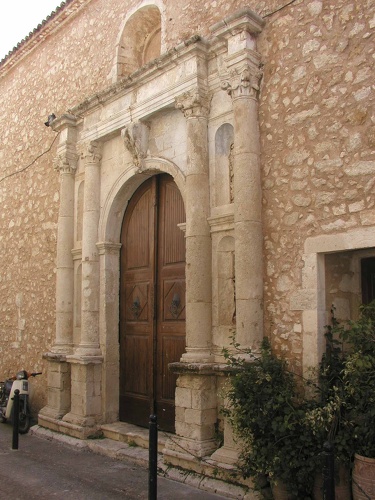
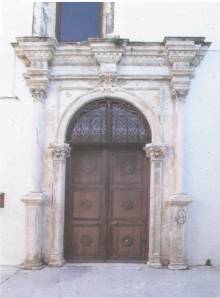
The church of Saint Francesco is one of the most important monuments of Rethymno. It was the main temple of the Monastery of the Francesca Order. The architecture of the building and its ornaments are very interesting. Next to the east side of the temple two deserted chapels are preserved. Its main doorway is impressive, with capitals of composite order. During recent excavations around the church valuable archeological findings have been discovered, including two tombs of Venetian nobles.
The Loggia of Rethymno
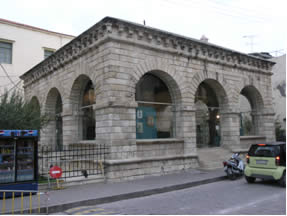
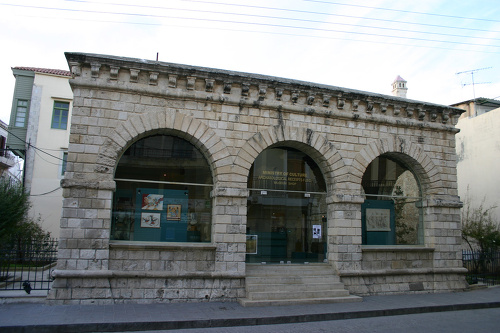
Loggia has been built during the 16th century and was designed by the famous architect Michel Snamicheli. Loggia was an eminent building of the city centre and has been a meeting point for the nobles to discuss political and economical issues. The building is very well preserved; it is square and has arches on its three sides (besides its west side). The consoles of its eaves are spectacular. During the Turkish occupation the loggia became a mosque and a minaret was constructed, which was later demolished in 1930. The past 40 decades the building of Loggia hosted the archeological museum of the city, which has now moved to a building next to Fortezza. Today loggia hosts a market of archeological art copies.
Rimondi Fountain
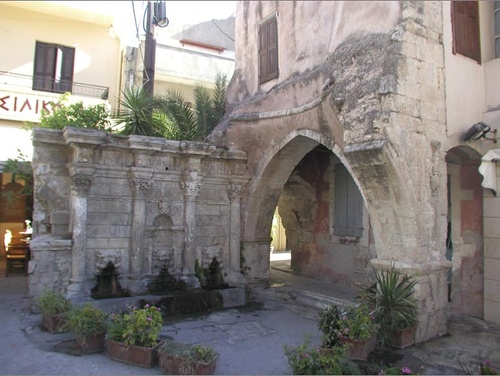
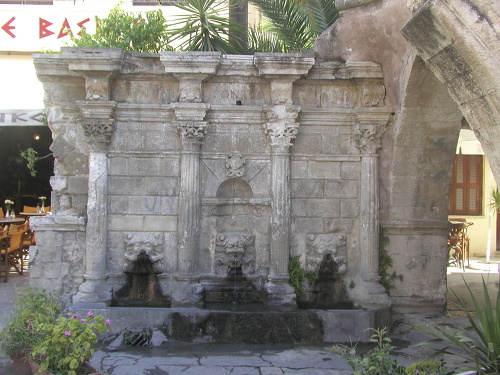
The Rimondi fountain was built in 1626 by the city”s Rector A. Rimondi. It covered part of the city”s water needs and it is located in the Platanou square, which was then the centre of the Venetian city. It has three water basins, three lion shaped water exits, and three columns crowned by Corinthian capitals bearing a Latin inscription. Today the fountain still springs water through the three lion heads.